Home
Who We Are
Our History
Our Team
What We Do
Restoration of Ecosystems and Forest Conservation
Sustainable Livelihoods & Nature-Based Enterprises
Advocacy & Policy Influence
Advocacy & Campaigns
Our Programs
Resources
Wangari Maathai
Taking Root Documentary
Key Speeches & Articles
The Nobel Peace Prize
Books
Tenders
Annual Reports
Knowledge, Products and Learning
Media Center
Newsletters
Multimedia
Stories of Impact
Blogs
Contact Us
Join Us
Get Involved
Be a Hummingbird
Volunteer with GBM
Support Our Work
donate now
Home
Who We Are
Our History
Our Team
What We Do
Restoration of Ecosystems and Forest Conservation
Sustainable Livelihoods & Nature-Based Enterprises
Advocacy & Policy Influence
Advocacy & Campaigns
Our Programs
Resources
Wangari Maathai
Taking Root Documentary
Key Speeches & Articles
The Nobel Peace Prize
Books
Tenders
Annual Reports
Knowledge, Products and Learning
Media Center
Newsletters
Multimedia
Stories of Impact
Blogs
Contact Us
Join Us
Get Involved
Be a Hummingbird
Volunteer with GBM
Support Our Work
donate now
Home
Who We Are
Our History
Our Team
What We Do
Restoration of Ecosystems and Forest Conservation
Sustainable Livelihoods & Nature-Based Enterprises
Advocacy & Policy Influence
Advocacy & Campaigns
Our Programs
Resources
Wangari Maathai
Taking Root Documentary
Key Speeches & Articles
The Nobel Peace Prize
Books
Tenders
Annual Reports
Knowledge, Products and Learning
Media Center
Newsletters
Multimedia
Stories of Impact
Blogs
Contact Us
Join Us
Get Involved
Be a Hummingbird
Volunteer with GBM
Support Our Work
donate now
Home
Who We Are
Our History
Our Team
What We Do
Restoration of Ecosystems and Forest Conservation
Sustainable Livelihoods & Nature-Based Enterprises
Advocacy & Policy Influence
Advocacy & Campaigns
Our Programs
Resources
Wangari Maathai
Taking Root Documentary
Key Speeches & Articles
The Nobel Peace Prize
Books
Tenders
Annual Reports
Knowledge, Products and Learning
Media Center
Newsletters
Multimedia
Stories of Impact
Blogs
Contact Us
Join Us
Get Involved
Be a Hummingbird
Volunteer with GBM
Support Our Work
donate now
Contacts
Adams Arcade, Kilimani Road off Elgeyo Marakwet Rd
gbm@greenbeltmovement.org
+254 (0) 721342696
Twitter
Facebook-f
Instagram
Linkedin
Youtube
Blogs
Home
Blogs
Blogs
GBM
Opinion Piece
Press Release
Statement
August 25, 2026
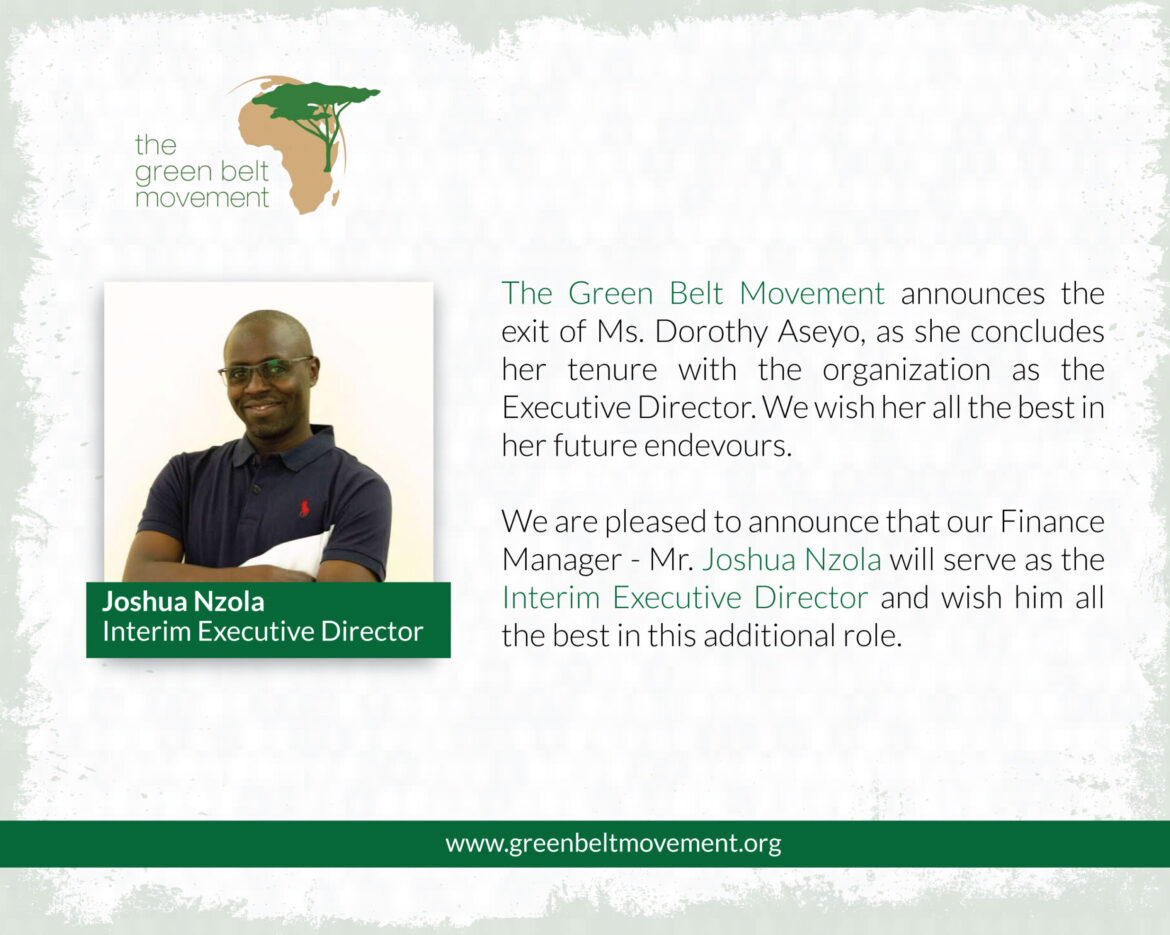
THE GREEN BELT MOVEMENT ANNOUNCES CHANGE OF LEADERSHIP
Nairobi, Kenya – 25 August 2026 FOR IMMEDIATE RELEASE The Green Belt Movement announces the...
Blogs
Press Release
Statement
July 31, 2026
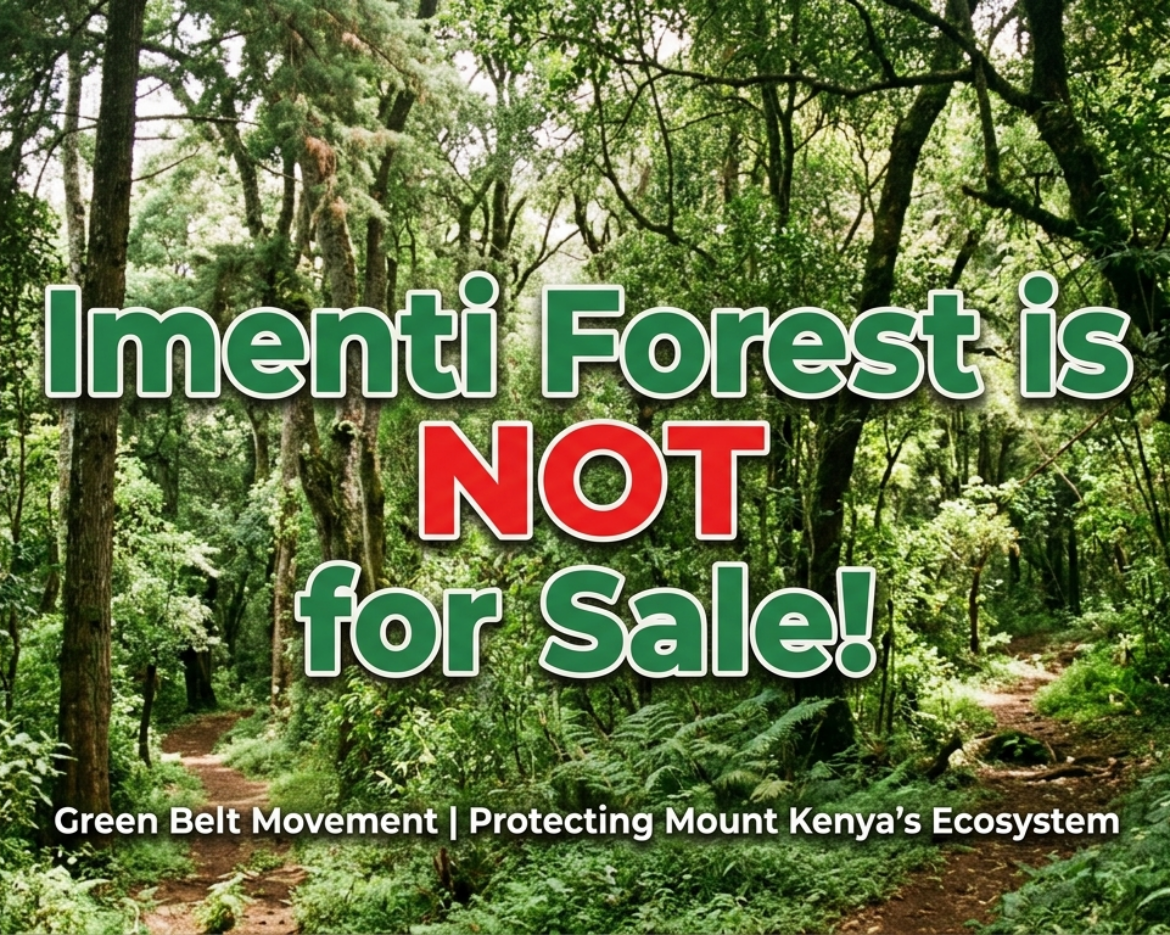
THE GREEN BELT MOVEMENT AND JUSTACT WELCOME COURT DECISION HALTING PROPOSED DEVELOPMENTS IN IMENTI FOREST
Nairobi, Kenya – 31 July 2026 FOR IMMEDIATE RELEASE The Green Belt Movement (GBM) and JustAct...
Blogs
Press Release
Statement
July 20, 2026
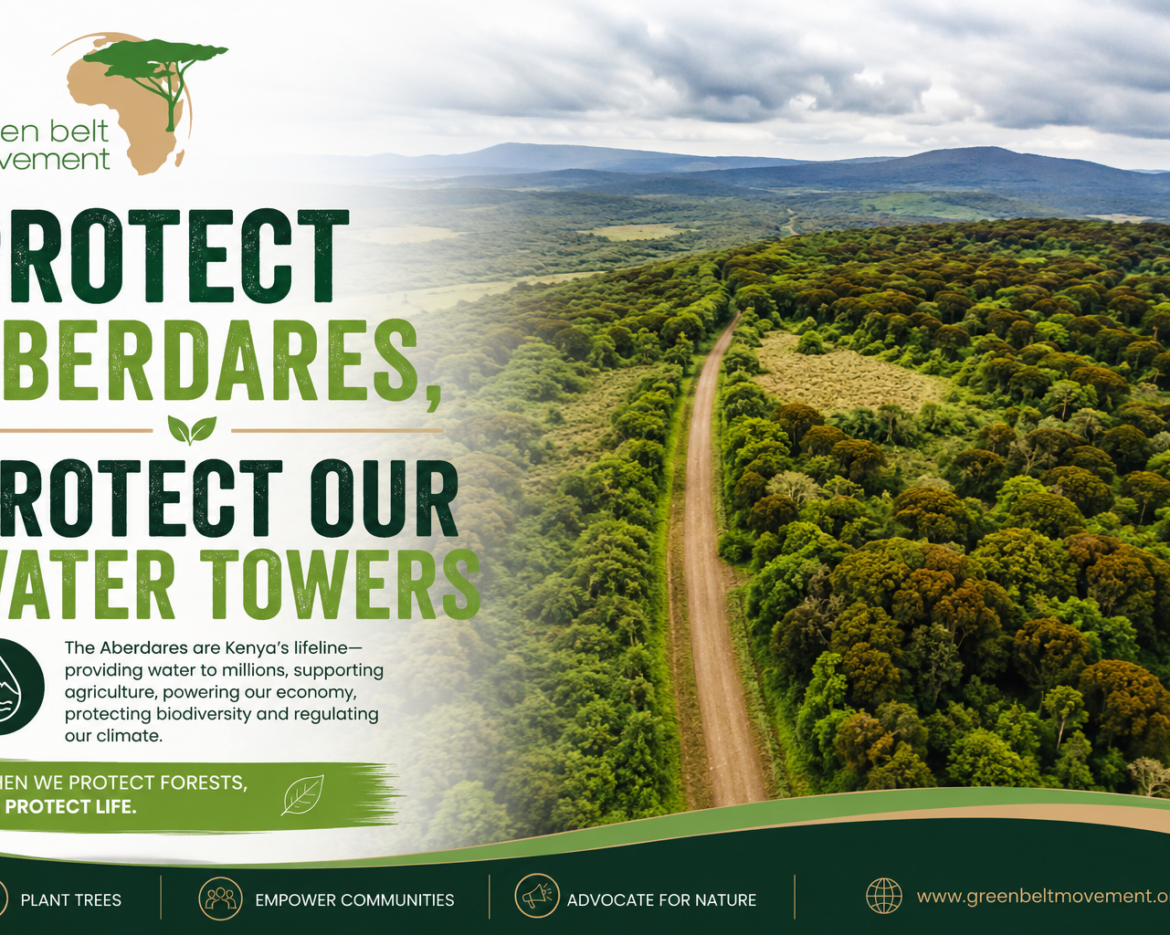
STATEMENT ON THE HIGH COURT DECISION ALLOWING THE MAU MAU ROAD THROUGH ABERDARE FOREST
20th July 2026 FOR IMMEDIATE RELEASE The Green Belt Movement expresses its profound...
Blogs
Press Release
Statement
June 4, 2026
STATEMENT CONDEMNING THE EMERGING SCHEME TO CARVE UP IMENTI FOREST FOR AN AIRSTRIP, GOLF COURSE AND STATE LODGE
4th June 2026 FOR IMMEDIATE RELEASE The Green Belt Movement is deeply alarmed and outraged by...
Blogs
Opinion Piece
Press Release
Statement
June 2, 2026
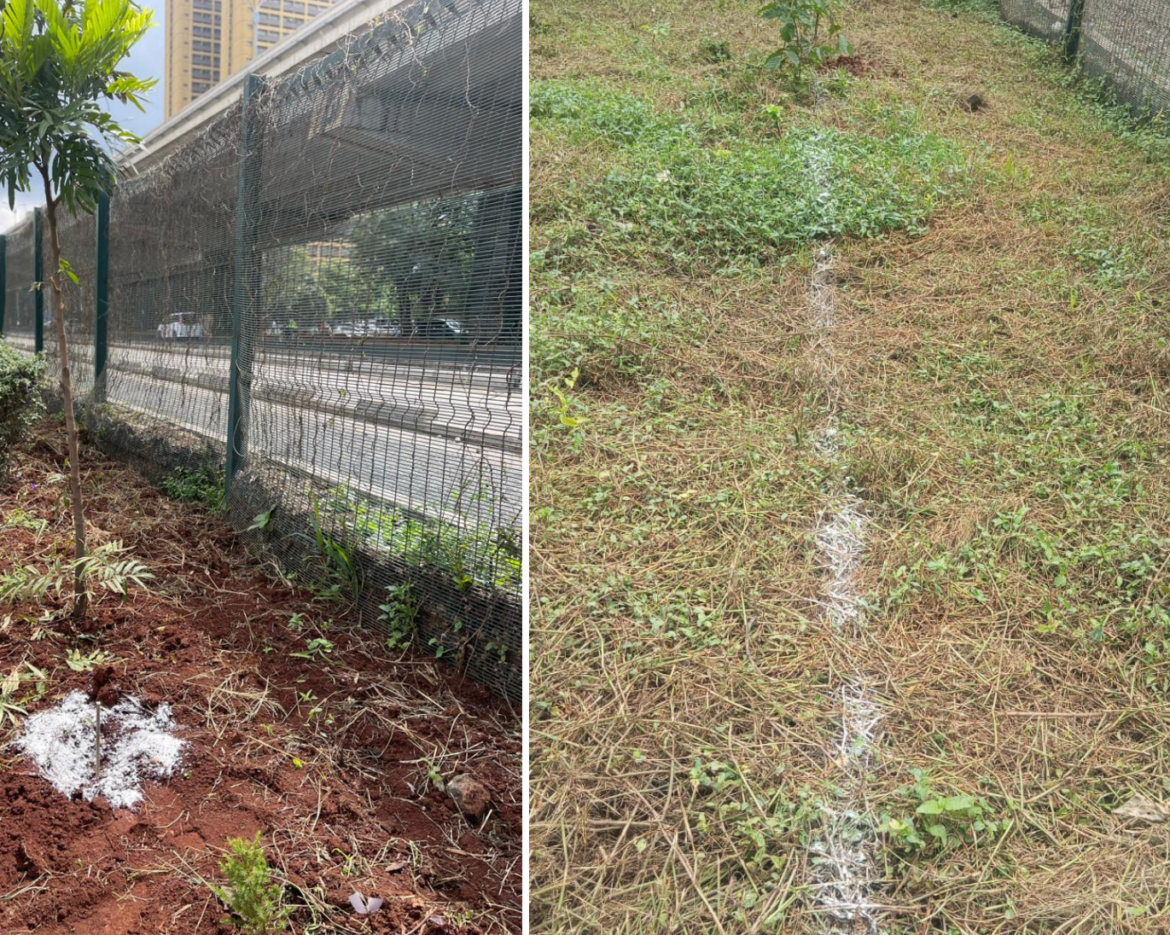
Green Belt Movement Raises Concern Over Reported Plans to Excise Parts of Uhuru Park and Central Park
2 June 2026 The Green Belt Movement (GBM) has raised alarm over reports that portions of Uhuru...